La aplicación de la tecnología RFID en la vida cotidiana
La tecnología RFID se aplica de forma generalizada y profunda en la vida cotidiana. Al asignar "tarjetas de identidad digitales" a los objetos, logra la identificación automática sin contacto y el intercambio de datos, y se ha integrado discretamente en múltiples escenarios de la vida.
1. Transporte y viajes inteligentes
Sistema de cobro de peajes ETC: Los vehículos no necesitan detenerse y se les cobrará automáticamente al pasar por las estaciones de peaje, lo que mejora considerablemente la eficiencia del tráfico.
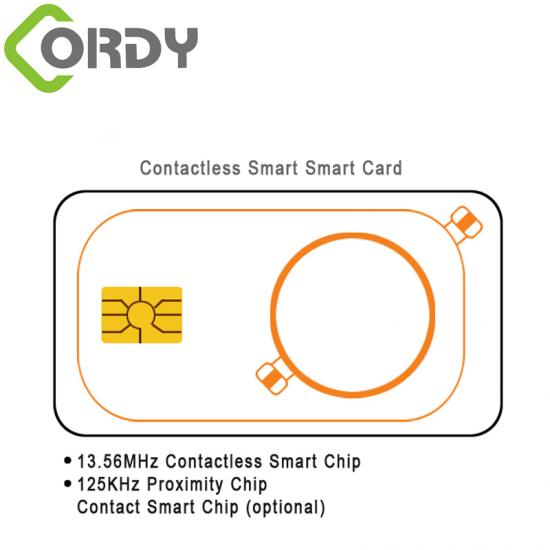
Tarjeta de transporte público: el uso de la tarjeta de metro y autobús, basada en tecnología RFID de alta frecuencia (como 13,56 MHz), admite comunicación cifrada, es segura y conveniente.
Clasificación de equipaje en el aeropuerto: Las etiquetas RFID se adhieren al equipaje para lograr un seguimiento completo y reducir el riesgo de envíos erróneos y pérdidas.
2. Comercio minorista y pagos
Cajas de autopago en supermercados: Coloque los productos en la zona de detección y el sistema los reconocerá y los colocará en lotes sin necesidad de escanear los códigos de barras uno por uno, lo que mejora la eficiencia considerablemente.
Compras con pago sin sensores: por ejemplo, en algunas tiendas minoristas nuevas, el carrito reconoce automáticamente el producto y deduce el pago después de pasar por el canal, logrando así el sistema de "tomar y listo".
3. Control de acceso y gestión de la seguridad
Cerraduras inteligentes y tarjetas de acceso: Las tarjetas RFID o los teléfonos móviles NFC permiten abrir puertas simplemente acercándose, y se utilizan ampliamente en entornos como hogares, edificios de oficinas, hoteles, etc.
Archivos y gestión de bibliotecas: Cada libro o documento está etiquetado con una etiqueta RFID, que se reconoce automáticamente al tomarlo prestado o devolverlo. El inventario se puede completar rápidamente con dispositivos portátiles, evitando la búsqueda manual.
4. Lucha contra la falsificación y trazabilidad
Programa piloto de etiquetas electrónicas para cosméticos: A partir de 2026, la Administración Nacional de Productos Médicos implementará etiquetas electrónicas RFID para cosméticos en Beijing, Shanghái y otras ciudades. Los consumidores podrán escanear el código para consultar información como ingredientes, lotes, eslabones de producción, etc., con el fin de combatir la falsificación y los productos de baja calidad.
Trazabilidad de alimentos y medicamentos: Registrar todo el proceso, desde la producción hasta la venta, para garantizar la seguridad y el control, integrando especialmente sensores de temperatura y humedad en la logística de la cadena de frío para asegurar la calidad.
5. Gestión de activos y atención médica
Inventario de activos fijos: Tras etiquetar los equipos de la empresa, el administrador puede contarlos rápidamente con un lector portátil, con una precisión superior al 99,5 %.
Gestión de consumibles médicos: Los hospitales gestionan los instrumentos quirúrgicos y los medicamentos mediante armarios inteligentes RFID, logrando el sistema de "un artículo, un código" para prevenir pérdidas y usos indebidos.
6. Ganadería y logística
Identificación animal: Implantar microetiquetas RFID bajo la piel del ganado para registrar su estado de salud, vacunación y otra información, con el fin de facilitar la cría moderna.
Entrega urgente y gestión de almacenes: Tras el etiquetado, los contenedores y paquetes pueden leerse de forma remota y masiva, lo que mejora la eficiencia de la clasificación y reduce los costes laborales.
 español
  English
 français
 русский
 português
 العربية
 한국의
한국의 Türkçe
 ไทย
ไทย Tiếng Việt